Feb 06, 2026
Polyurethane tubing is one of the most widely used components in pneumatic systems. The performance of a PU tube directly affects air transmission efficiency, equipment stability, and maintenance cost. Many buyers judge a PU hose only by price or appearance, yet real quality is determined by measurable standards from both factory inspection and user experience. Understanding these criteria helps distributors, engineers, and purchasers select reliable polyurethane air tubing instead of risky low-grade products.
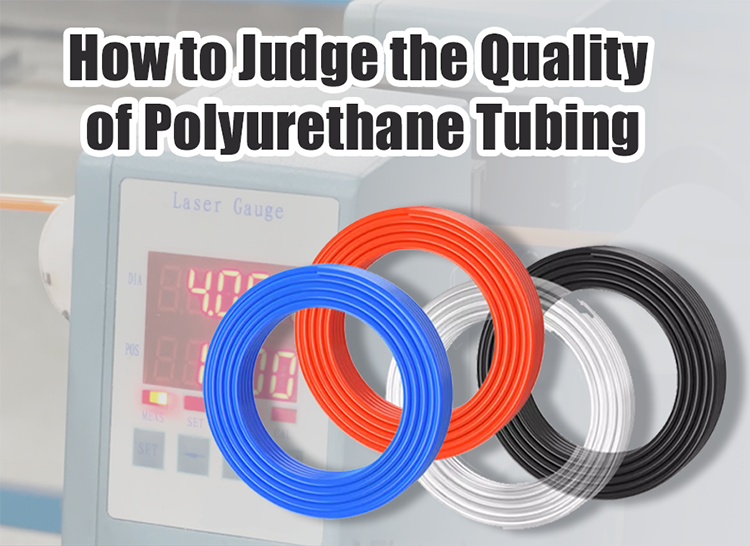
For every coil of polyurethane pu tubing, the first control point is length. A professional manufacturer keeps the deviation within ±0.5 m for a 200 m roll of PU6x4. If the actual length is shorter, the end user pays for air instead of material, and the distributor faces complaints. Stable extrusion equipment and strict counting systems are required to guarantee this tolerance. Factories that cannot control length usually have unstable processes in other aspects as well, which will later show in pressure resistance and service life.
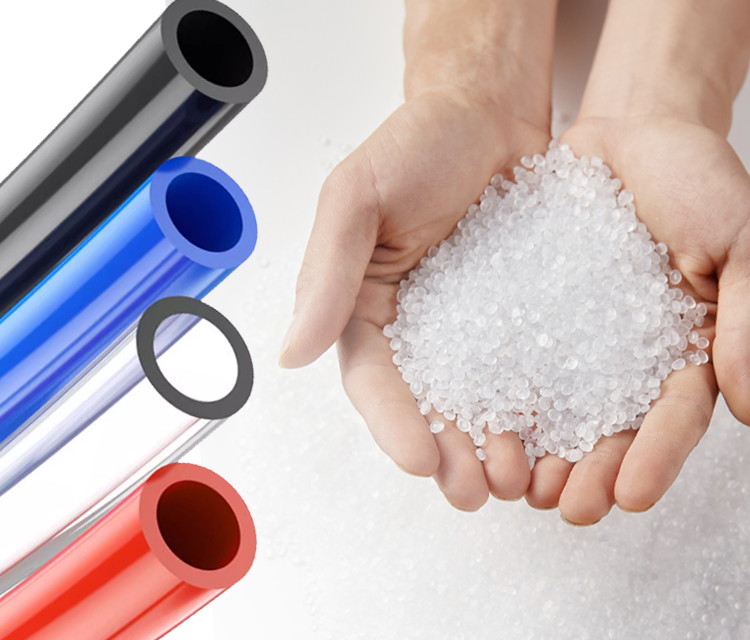
TPU has a fixed density, so the theoretical weight of PU tube can be calculated precisely. Regardless of how a supplier reduces wall thickness or mixes recycled material, the final weight will expose the truth. When the measured weight matches the theoretical value, the buyer can confirm that the material ratio is sufficient. This method is widely used by experienced purchasers because it is simple and impossible to cheat. A lightweight coil often means thin wall and short lifespan in real pneumatic applications.
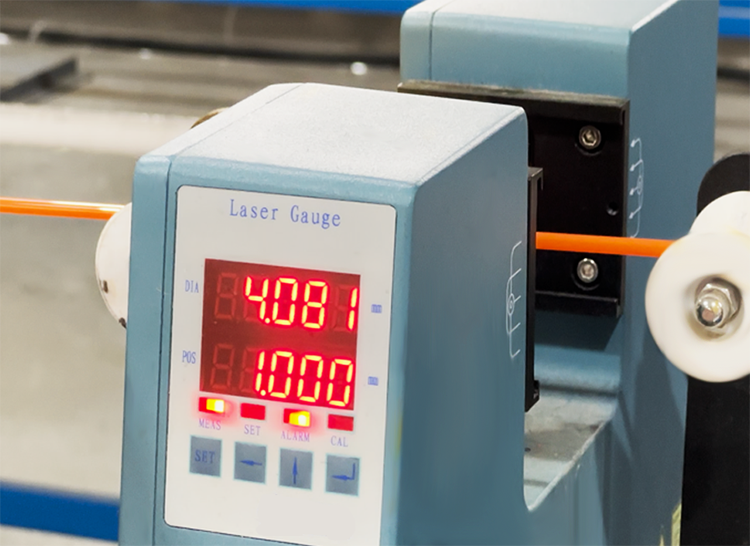
Professional factories use laser instruments to check the outer diameter of polyurethane tubing, keeping tolerance within ±0.1 mm. For the inner diameter, a standard plug gauge is more practical. Taking PU6x4-200 m as an example, a 4 mm steel plug should be inserted smoothly without force and should not fall out freely. This ensures the hose fits perfectly with push-in fittings and prevents air leakage. Poor dimensional stability will damage seals and increase energy consumption of the whole system.
| Item | Inspection Method | Acceptable Range |
|---|---|---|
| Length | Automatic meter counter | ±0.5 m / 200 m |
| Outer diameter | Laser measurement | ±0.1 mm |
| Inner diameter | Standard plug gauge | Smooth in, no slip |
| Weight | Compare with theory | ≥98% of value |
Engineers often judge a PU hose before any instrument is used. A quality product shows even wall thickness, stable transparency, and natural gloss. When bending the tube, it should return smoothly without whitening or cracks. The surface marking must be clear and durable, including size, pressure, and production batch, which is essential for distributors managing inventory. If the printing is vague or easily erased, the traceability of the product becomes unreliable.
Good polyurethane air tubing balances flexibility and pressure resistance. Too soft means weak structure; too hard leads to difficult installation in narrow machines. Under rated pressure the tube should not expand obviously, and after long bending it should keep its round shape. For automated equipment that moves frequently, elasticity is more important than extreme hardness. Many maintenance problems originate from hoses that look normal but lose resilience after a few weeks.
When evaluating suppliers, combine measurable data with hands-on checks. Ask for weight per meter, tolerance report, and material certificate of TPU. Compare several brands under the same fittings to feel the insertion force and sealing performance. Reliable manufacturers welcome these tests and provide samples with consistent quality. Choosing the right polyurethane pu tubing reduces downtime, protects brand reputation of distributors, and ensures stable operation for end users.
(FK9026)
 PVC Tubing vs Polyurethane Tubing: Choosing the Better Air Hose for Modern Pneumatic Systems
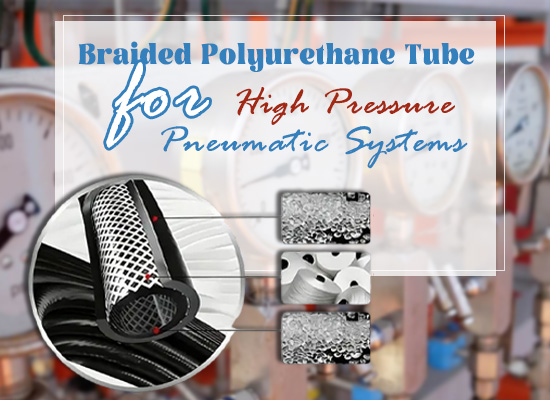 Braided Polyurethane Tube for High Pressure Pneumatic Systems
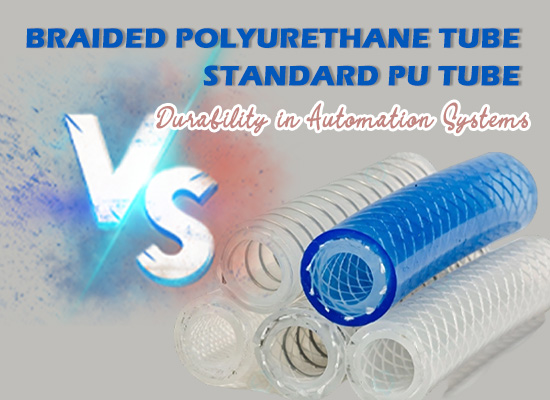 PUB Braided Polyurethane Tube vs Standard PU Tube: Durability in Automation Systems
 Food Grade Pneumatic Fittings: Why Full Stainless Steel One-Touch Fittings Matter in Hygienic Production Lines
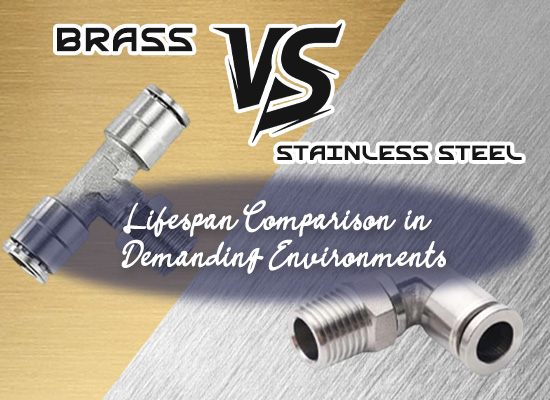 Brass vs Stainless Steel Fittings: Lifespan Comparison in Demanding Environments
You May Interest In
May 07, 2025 Blog
Comprehensive Analysis of Pneumatic Push in Fittings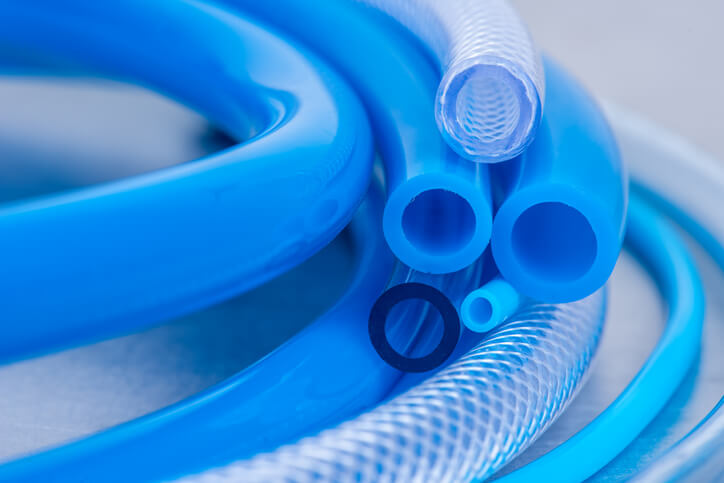
Apr 22, 2025 Blog
Solution for Nylon Tube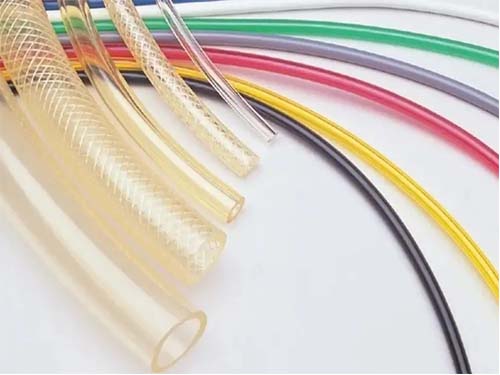
Apr 16, 2025 Blog
PVC Tubing vs. Polyurethane Tubing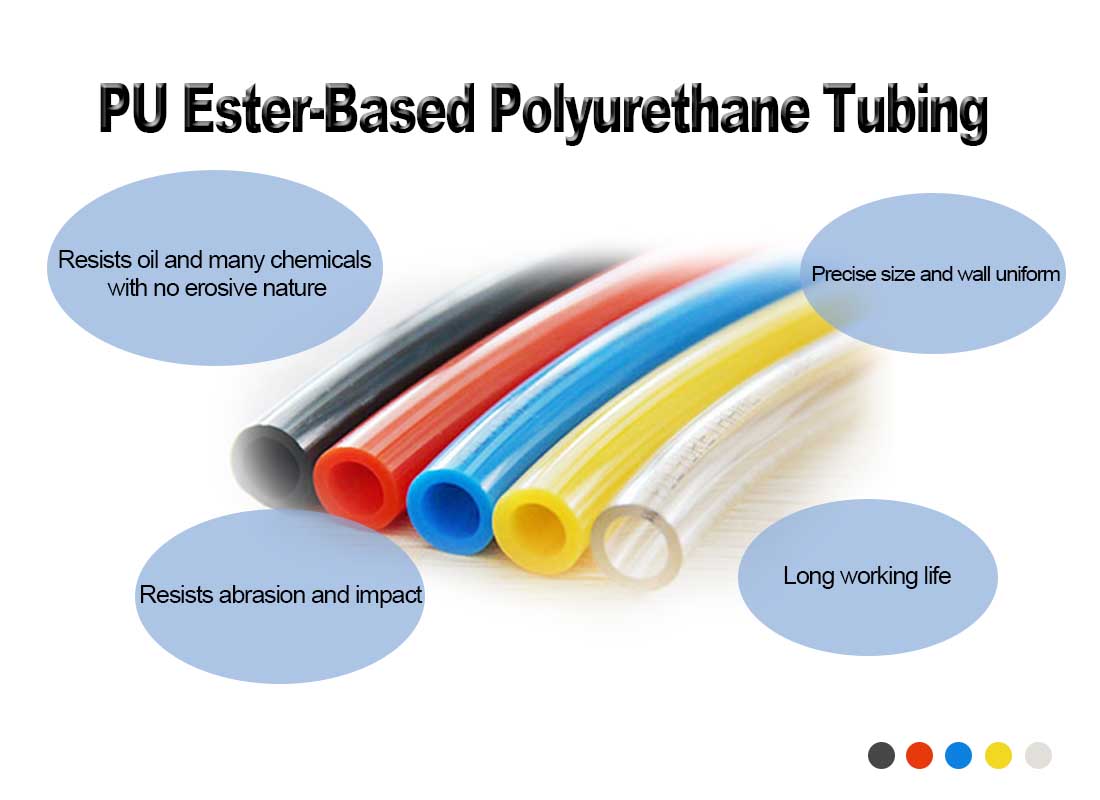
Apr 10, 2025 Blog
What is the difference between pu and pvc
Feb 24, 2025 Blog
How to Identify Hydraulic Quick Couplers?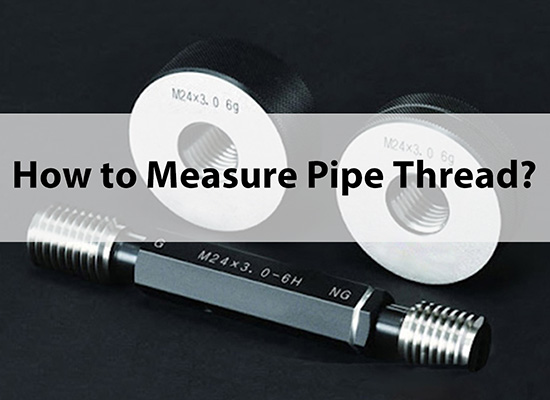
Jan 21, 2025 Blog
How to Measure Pipe Thread?
Jan 16, 2025 Blog
What Is Pipe thread?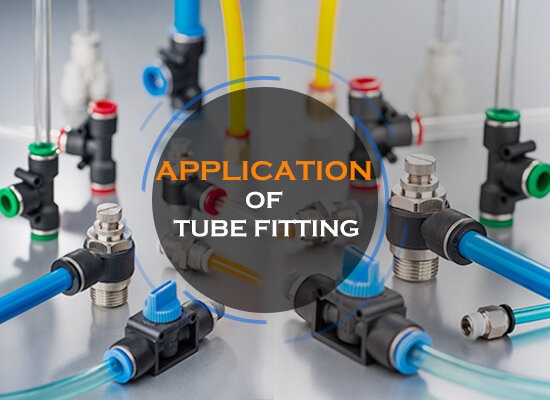
Dec 04, 2024 Blog
Application Of Tube Fitting
Jun 26, 2023 Blog
What Is The Difference Between LLDPE And LDPE?
Jan 17, 2023 Blog
What Are The Classification Of Plastics?
Get a free sample

Links: www.fescolo.com(Pneumatic)
FOKCA ©1998-2025 All Rights Reserved Sitemap